The World Bank has urged government institutions and stakeholders to take collective responsibility for implementing Strategic Catchment Management Plans (SCMPs) under the Agro-Climatic Resilience in Semi-Arid Landscapes (ACReSAL) project.
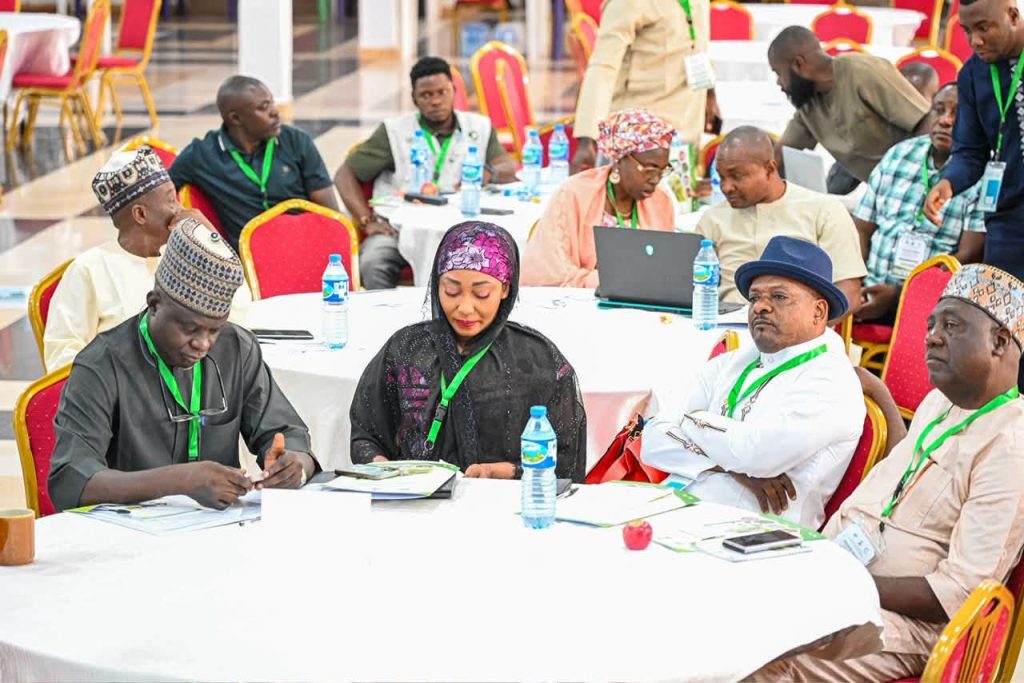
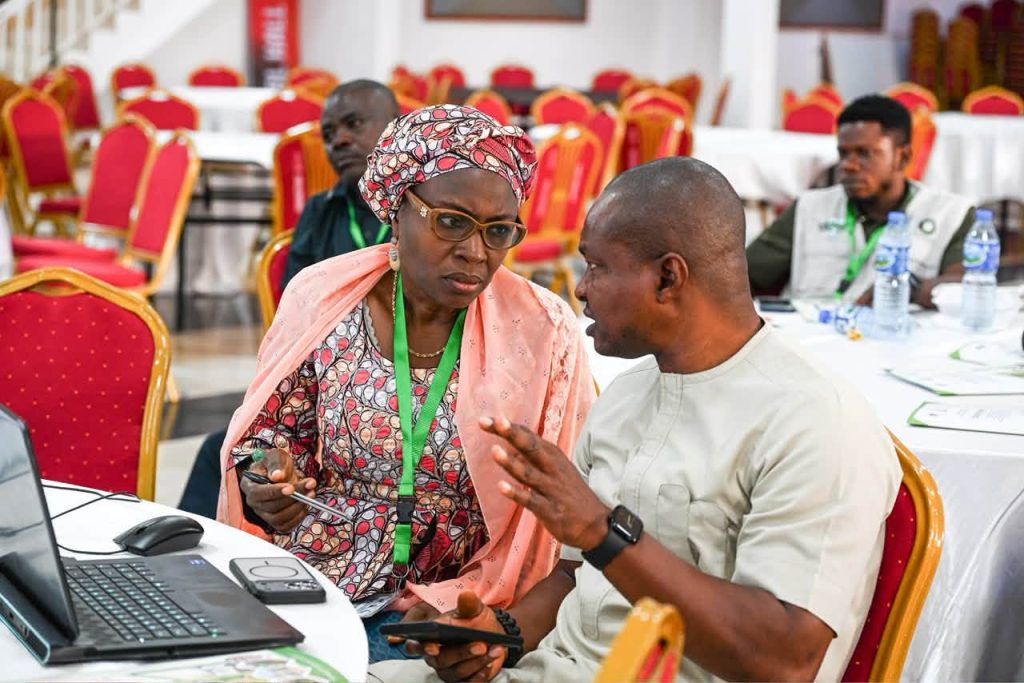
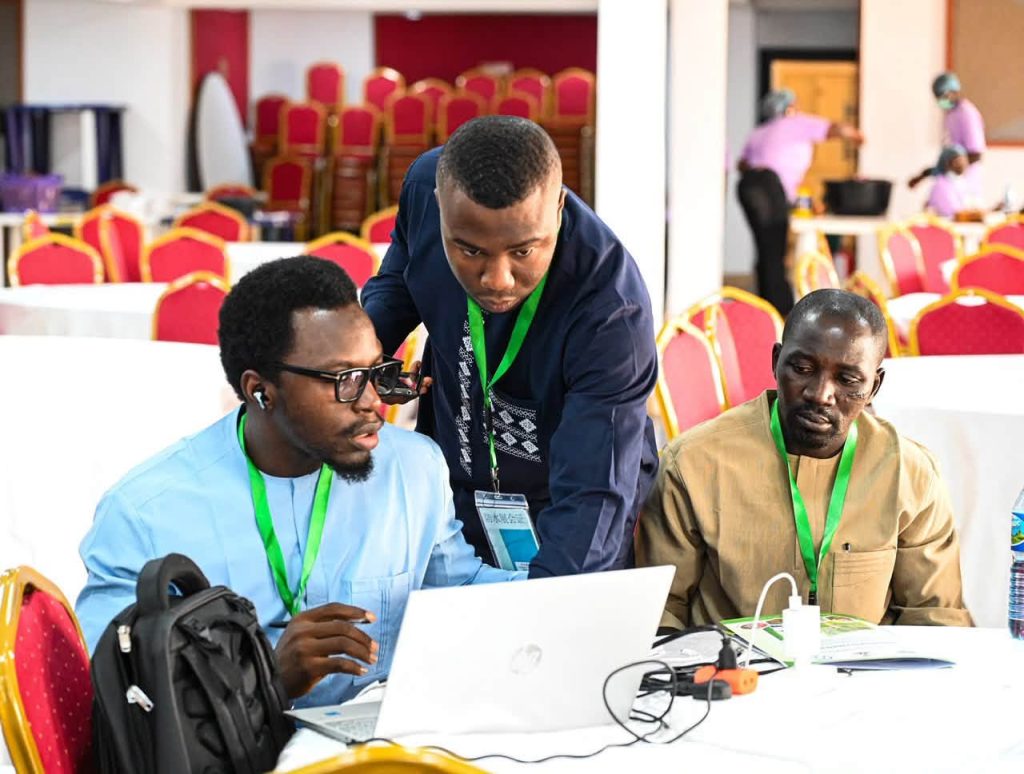
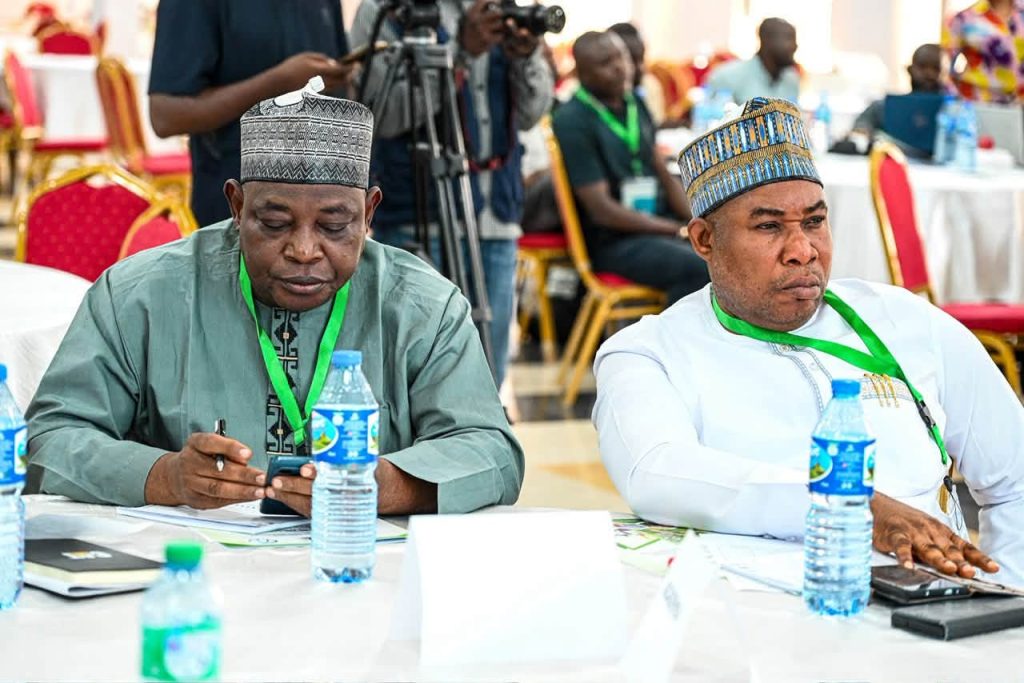
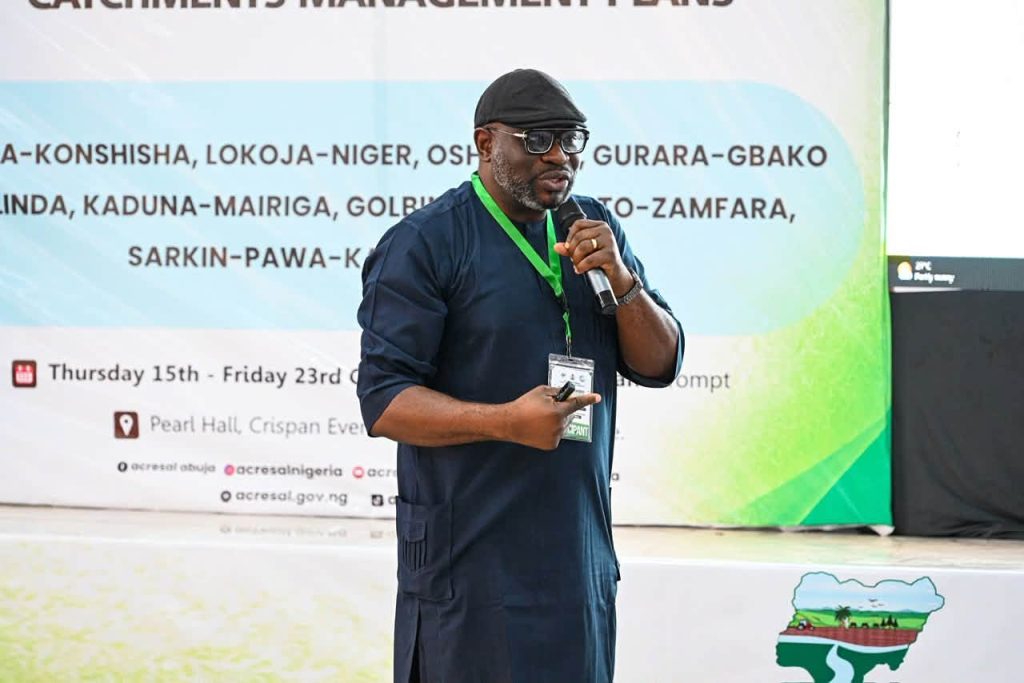
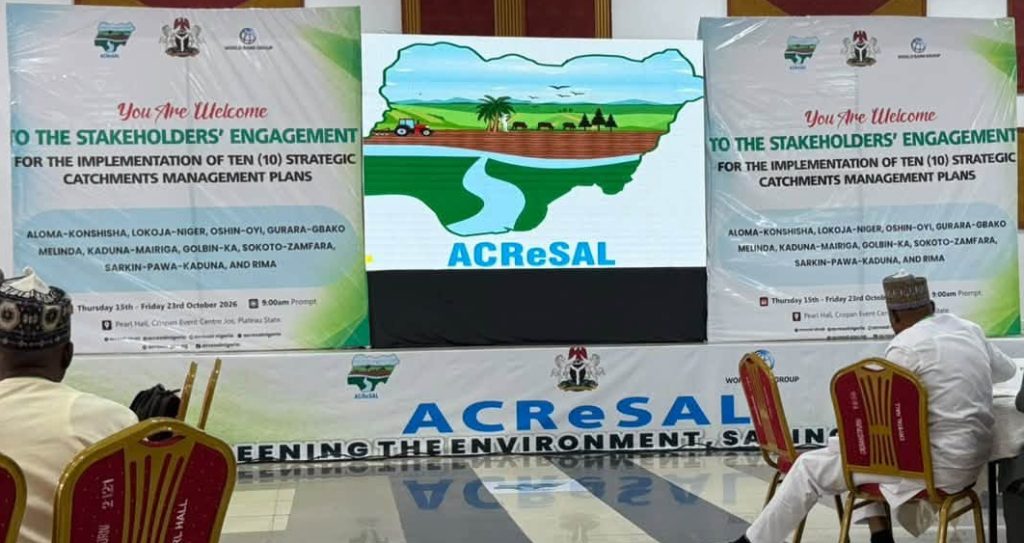
The ACReSAL Task Team Leader and World Bank Senior Environmental Specialist, Dr Joy Iganya Agene, made the call on Thursday during a stakeholders’ engagement on the implementation of 10 catchment management plans at Crispan Hotel, Jos, Plateau State.
Dr Agene described the SCMPs as “living documents” that can be reviewed and updated every five to ten years to address emerging environmental challenges and changing development priorities.
She urged ministries responsible for agriculture, water resources, environment, urban planning and solid mineral resources to integrate the plans into their policies, programmes and development decisions.
According to her, ACReSAL adopts a catchment-based approach to tackling land degradation through erosion and flood control infrastructure, sustainable agriculture and natural resource management.
The 10 plans undergoing validation form part of 20 Strategic Catchment Management Plans being developed by the Federal Government.
Effective implementation will require inter-agency coordination, community participation, adequate funding and regular monitoring. Integrating the plans into government budgets and development programmes will help reduce flooding, restore degraded landscapes, protect water resources and strengthen climate resilience for vulnerable communities.